Dubai clothing restrictions are a set of public decency regulations that govern what residents and visitors may wear in public spaces across the Emirate. They stem from Emirati culture, Islamic law, and modern tourism policies, aiming to balance tradition with a global visitor influx.
Quick Takeaways
- Short shorts, tank tops, and low‑cut clothing are off‑limits in most public areas.
- Swimwear belongs only on private beaches, hotel pools, or designated beach zones.
- When visiting mosques, you must cover shoulders, knees, and wear a headscarf if you’re a woman.
- Luxury malls and upscale hotels tolerate more fashion‑forward attire, but still require modesty.
- Violations can lead to warnings, fines, or detention by Dubai Police.
Direct Answer
In Dubai you cannot wear clothing that leaves the shoulders, midriff, or knees exposed in public streets, shopping centres, and most indoor venues. Swimwear, lingerie, and heavily revealing outfits are only acceptable at the beach, pool, or private resort areas. Religious sites enforce stricter dress codes: both men and women must cover knees and shoulders, and women must wear a headscarf.
Full Guide to Dressing Right in Dubai
Whether you’re strolling down Sheikh Zayed Road, dining in a five‑star restaurant, or praying at the Jumeirah Mosque, knowing the dress expectations saves you embarrassment and legal hassle.
Definition and Context
Dubai is one of the seven emirates that form the United Arab Emirates (UAE). Its legal framework includes the Federal Decree‑Law No.5 of 1985 on Public Decency, which penalises “indecent or immoral” attire. The law is interpreted through the lens of Islamic customs and the desire to present a family‑friendly image to tourists.
Benefits of Dressing Appropriately
Respecting the local dress code brings three practical perks:
- Freedom to explore: You’ll move around without fear of being stopped by police.
- Positive social interactions: Locals appreciate visitors who honour their traditions, often leading to warmer hospitality.
- Access to all venues: Some upscale clubs and cultural sites deny entry to those in overtly revealing clothing.
Typical Settings and What to Wear
- Mosques: Long trousers or skirts, long‑sleeved shirts, and a headscarf for women. Men should avoid shorts.
- Beaches (public): Swimwear is fine, but cover up when leaving the sand. The famous Jumeirah Beach and Kite Beach have designated swim zones.
- Shopping malls (e.g., The Dubai Mall, Mall of the Emirates): Knee‑length dresses, maxi skirts, or smart casual pants with tops that cover the shoulders.
- Hotels & resorts: More relaxed - you can wear stylish dresses or tailored shorts, but keep them tasteful.
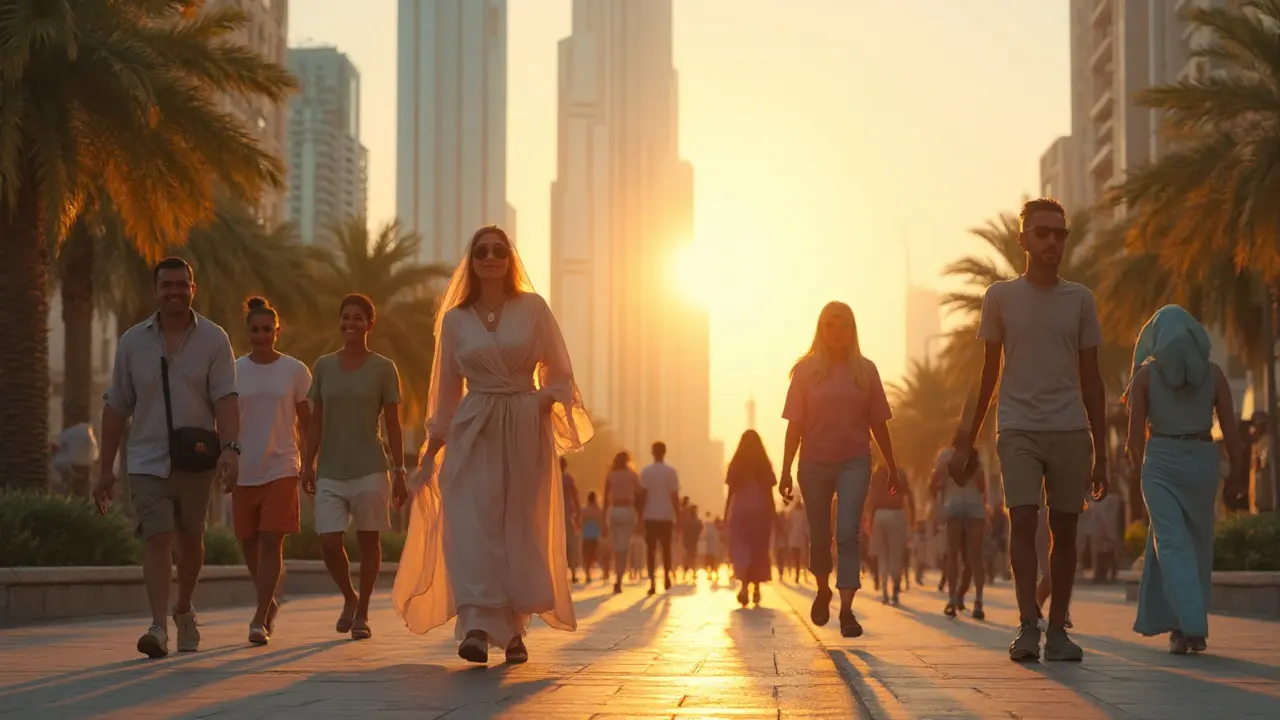
- Public streets & parks: Loose‑fit trousers, long skirts, or maxi dresses. Avoid tank tops and mini‑shorts.

How to Find Up‑to‑Date Dress Code Info
Before you land, check the official tourism portal of Dubai or the website of the specific venue you plan to visit. Many hotels send a “welcome guide” which includes a dress‑code section. For spontaneous outings, the Dubai Police Twitter feed often posts reminders during major events.
What to Expect When You Follow the Rules
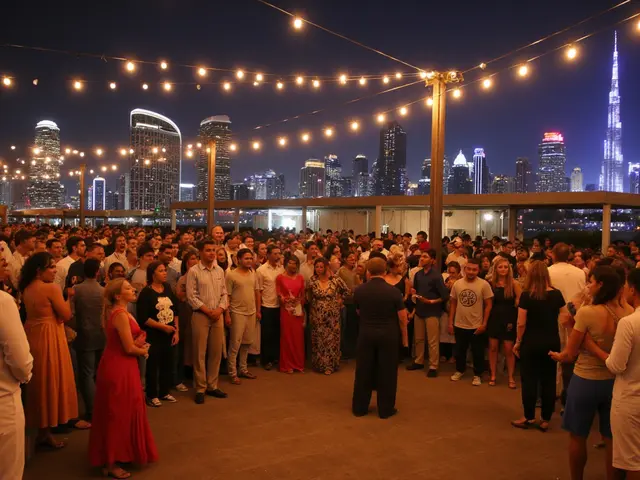
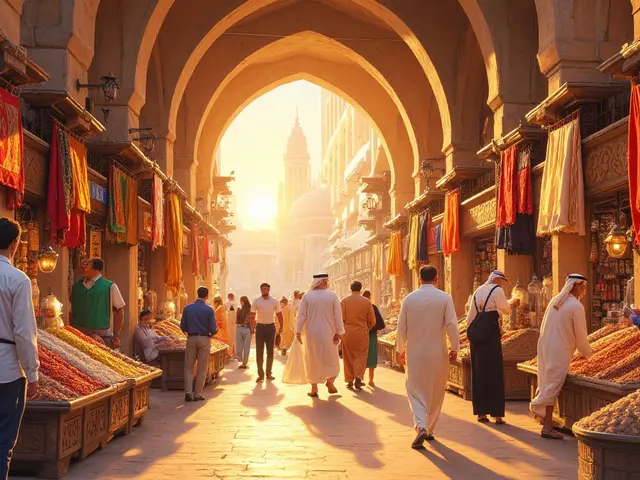
Walking through the bustling Gold Souk, you’ll notice shoppers dressed modestly yet comfortably - airy linen tops, ankle‑length skirts, and comfortable sandals. In a rooftop bar overlooking the Burj Khalifa, you can slip into a chic cocktail dress, provided the hem stays well below the knee. The key feeling is one of belonging; you won’t be singled out or asked to change.
Safety Tips & Common Pitfalls
- Never assume a private pool allows beach shorts - some upscale residences enforce full‑coverage swimwear.
- During Ramadan, even hotels tighten dress expectations; avoid revealing clothing after sunset.
- If you’re unsure, ask staff. Most hospitality workers will gladly advise the appropriate attire.
- Carry a lightweight scarf in your bag; it doubles as a fashion accessory and a modesty tool.
- Remember that the Federal Decree‑Law No.5 can be enforced without warning, so better to err on the side of modesty.
Comparison Table: Allowed vs. Prohibited Clothing in Public Spaces
| Category | Allowed | Prohibited |
|---|---|---|
| Topwear | Long‑sleeved shirts, blouses, modest t‑shirts covering shoulders | Tank tops, crop tops, low‑cut blouses |
| Bottoms | Jeans, trousers, maxi‑skirts, knee‑length dresses | Shorts above the knee, mini‑skirts, hotpants |
| Swimwear | Swimsuits, boardshorts, bikinis (only at beaches, pools, private resorts) | Swimwear on streets, in malls, or religious sites |
| Footwear | Sandals, closed shoes, flip‑flops | Barefoot in public indoor venues |
| Accessories | Scarves, hats, sunglasses | Excessive body piercings visible in formal settings |
Frequently Asked Questions
Frequently Asked Questions
Can I wear a bikini on Dubai’s public beaches?
Bikinis are allowed on designated public beaches such as Jumeirah Beach and Kite Beach, but you must cover up when you leave the sand and head into nearby restaurants or shops.
Do I need a headscarf to enter a mosque?
Yes. Women must cover their hair with a scarf, and both genders must have their shoulders and knees covered. Most mosques provide a shawl at the entrance.
Is it illegal to wear shorts in a mall?
Shorts above the knee are considered indecent in most indoor public venues, including malls. Expect to be asked to cover up or leave.
What should I pack for a business meeting in Dubai?
Opt for a tailored suit or a modest dress with sleeves. Keep colors neutral, and add a lightweight scarf if you’re a woman - it’s both stylish and compliant.
Are there any penalties for accidental dress code breaches?
Usually officials give a verbal warning and ask you to change. Repeated offenses can lead to a fine of up to AED5,000 or detention until the issue is resolved.
By keeping these guidelines in mind, you’ll enjoy Dubai’s dazzling skyline, world‑class shopping, and vibrant nightlife without a single fashion faux pas. Dress smart, stay respectful, and let the city’s hospitality surprise you.